NYSE-Avalanche Deal Ends ‘General Purpose Era,’ Says Ava Labs
Traditional finance is moving past one-size-fits-all blockchains, according to John Nahas, chief business officer at Ava Labs, the company behind the Avalanche network.
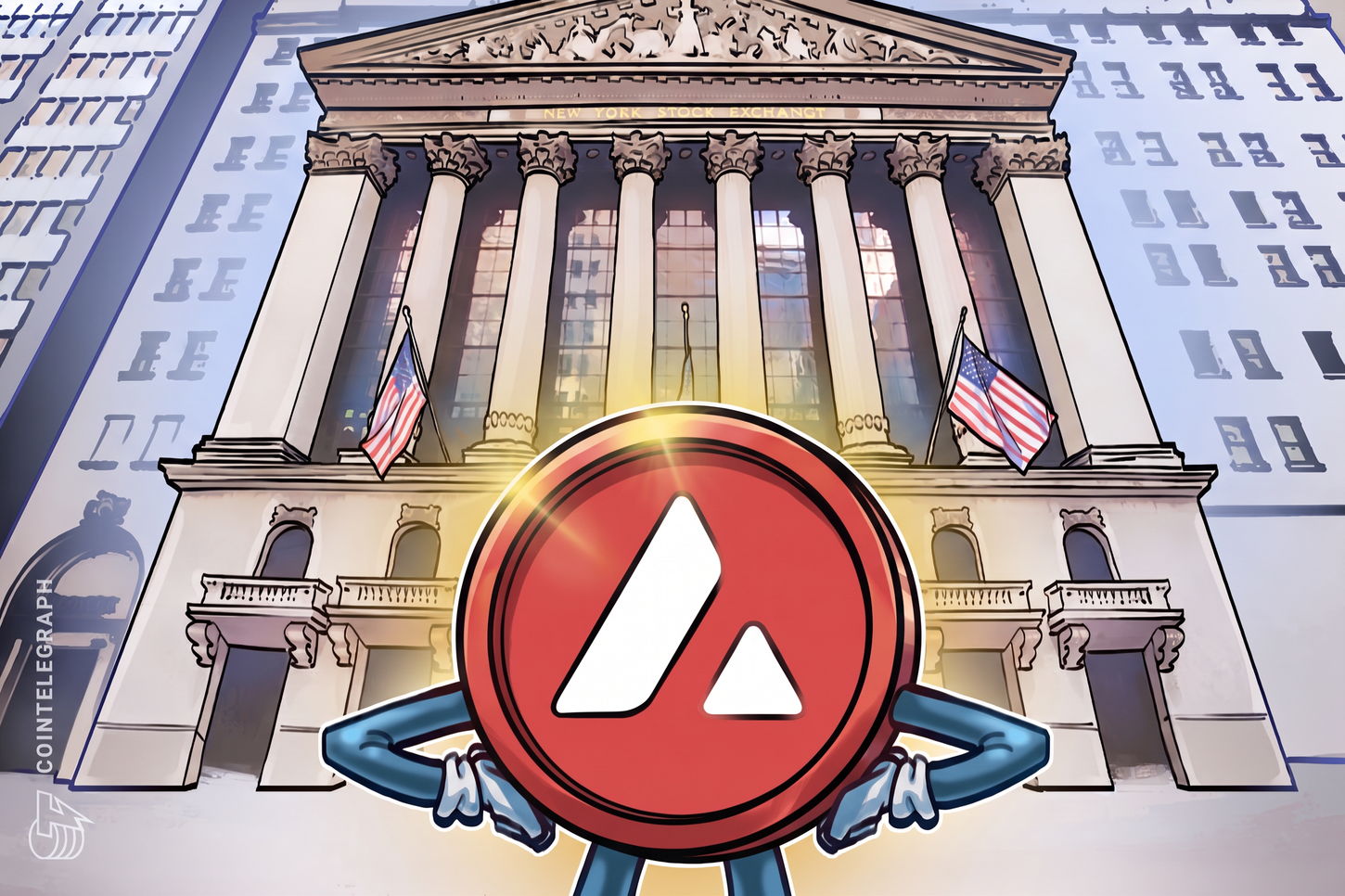
Nahas told Cointelegraph that the planned NYSE-affiliated tokenized securities platform, which will use Avalanche technology for clearing and settlement, illustrates that financial institutions want more control over how their blockchains operate.
“Capital markets need reliable performance and predictable cost settlement, certainty and control over the network and its participants,” he said. “It’s really important for this chain to be purpose built for the needs of NYSE.”
Nahas argued that the crypto industry’s preference for general-purpose blockchains and its reluctance to adapt to the compliance rules financial institutions face have slowed adoption.
“Crypto always wants to put the crypto part front and center,” Nahas said. He sees a shift toward blockchains designed for specific use cases. “I look at this as the end of the general purpose era,” he said.
Related: Avalanche’s AVAX leads crypto gains following NYSE tokenization deal
Adjusting to institutional needs
The NYSE move, announced on Monday, comes as more companies object to third parties tokenizing their shares for trading on OKXICE, a separate venue proposed by crypto exchange OKX and NYSE parent Intercontinental Exchange (ICE). OKXICE listed 67 companies that had objected as of Nov. 5, including Apple, Amazon, Meta and Tesla.
Nahas put the pushback down partly to a lack of understanding among incumbents, who he said see crypto as a speculative “wild west.” He said a “wholesale change” to market infrastructure built around institutions’ needs would make the potential efficiency gains clearer and expected objecting companies would “come around.”
Dennis Lee, the NYSE’s head of digital issuance, said the exchange will be “picking the right technology for each job,” as its develops the platform.
Although the NYSE-affiliated platform will support equities issued on a variety of blockchains, the settlement ledger had to allow the exchange to “control who can take part and keep costs predictable,” both elements Lee said Avalanche met. On public blockchains, such as Ethereum, institutions can restrict access to their own applications, while the underlying networks remain open. Congestion can also drive up transaction fees.
The NYSE spent a year testing Avalanche, giving Ava Labs time to tailor its approach to the exchange’s needs, Nahas said.
“The problem is general purpose chains don’t want to or most of the time cannot adapt to the existing frameworks,” he said.
Resilience to changing landscape
Nahas said the ability to adapt matters most when regulations are still taking shape. “Nobody wants to be on the wrong side of a line that didn’t exist the day before,” he said. In his view, building around the rules financial institutions already follow can help projects move forward while regulators clarify how those rules apply to crypto.
Asked what the “blue wave” in the House and Senate could mean for the US crypto industry, Nahas said he remained optimistic. “The landscape has changed, but the underlying fact is that this train has left the station,” he said. “You see that today in a big way.”
Magazine: What Democrats’ US midterm sweep means for the CLARITY Act